


Our mission
To bring reliable technology to the world’s most remote and demanding environments, helping critical infrastructure run safely, efficiently and without interruption. We design, build and protect the systems that make this possible.
British systems engineering and integration
We advise, build and protect the systems your operation depends on.
We advise on the technology you need, build and deploy working systems at the asset, and assess existing assets to find and fix operational risk, in complex and high-risk environments.
Who we are
One accountable engineering team, from the first decision to daily operation.
YAVA is a British systems engineering and integration company. We work where technology is essential to daily operations and where failure would affect safety, revenue, security or public services. The same team advises, builds, integrates, deploys and supports, so there is one line of accountability for the whole system.
How we work
Three ways to work with YAVA.
Each can be used on its own. Most clients use us across more than one, because a single accountable team removes the gaps between them.

Advise
Technology advice and system design. We help you decide what to build, buy or fix, and how.
Explore
Build and run
We design, build, integrate and deploy software, IT, OT and platforms, then support them.
Explore
Assess and improve
We assess an asset across physical, cyber and human controls, score it, and put it right.
ExploreCapabilities
What we do.
From advice and software to integration, infrastructure, operational technology, risk and support. Choose a capability group to reach the individual services.
Strategic Advisory
Deciding what to build, and how, before anyone writes code or buys hardware.
Explore
Software and Platforms
Bespoke software and operational platforms, built to run the work rather than demonstrate it.
Explore
Systems Integration
Making separate technologies, old and new, behave as one accountable system.
Explore
Enterprise IT, Cloud and Data
The infrastructure, cloud, identity and data foundations critical operations run on.
ExploreOT and Security Technology
Operational technology and physical security systems, specified, deployed and integrated.
Explore
Risk, Security and Resilience
Finding out whether physical, cyber and human controls actually work, then putting them right.
ExploreDeployment and Support
Getting systems live at the asset and keeping them running, including 24 hour support.
ExploreOn the ground
Where we have been working.
Photography from YAVA engagements and engineering. Captions describe the activity shown.
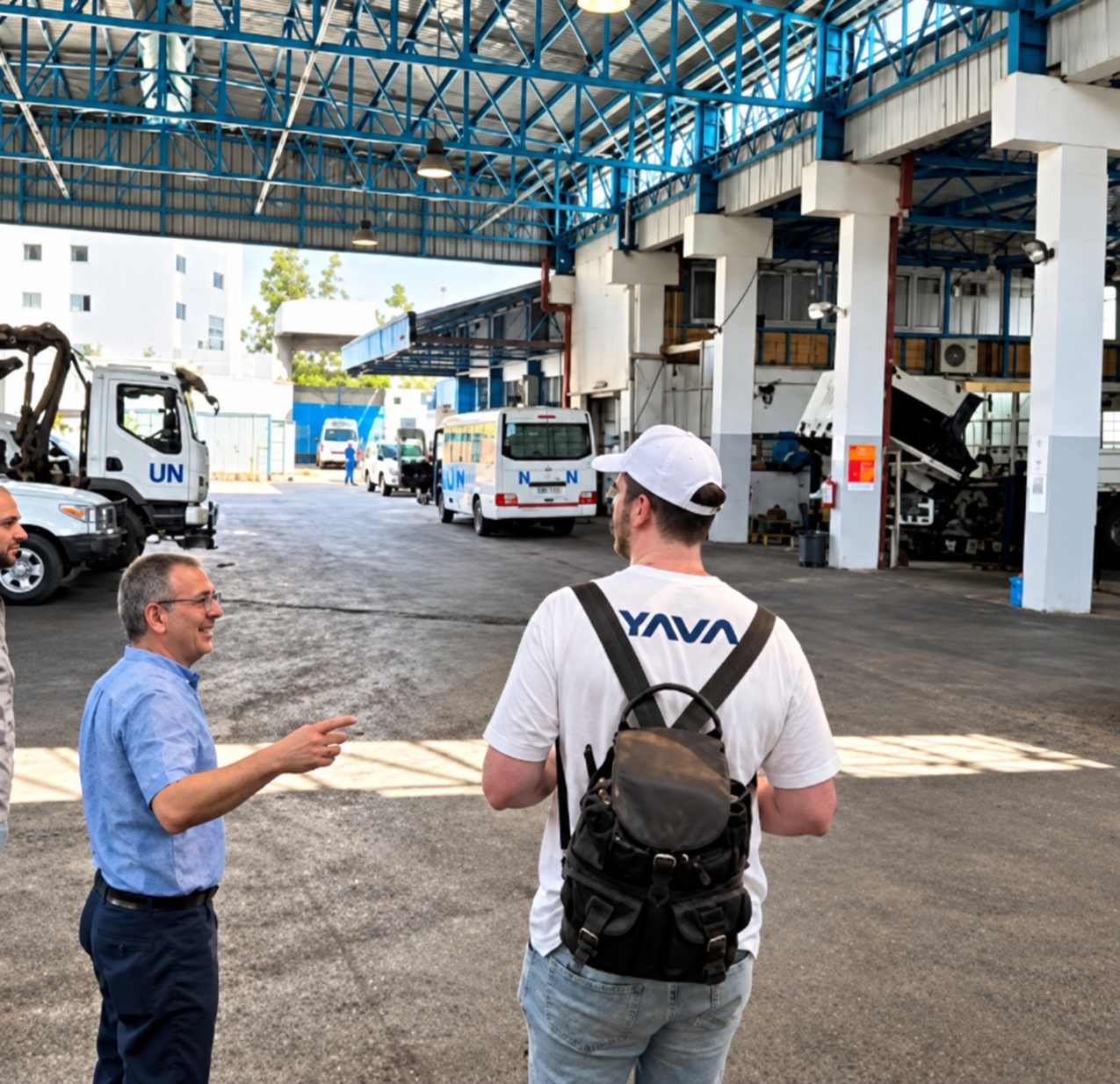
Working with the United Nations in Gaza and the West Bank.

Working with the aerospace and defence sector.
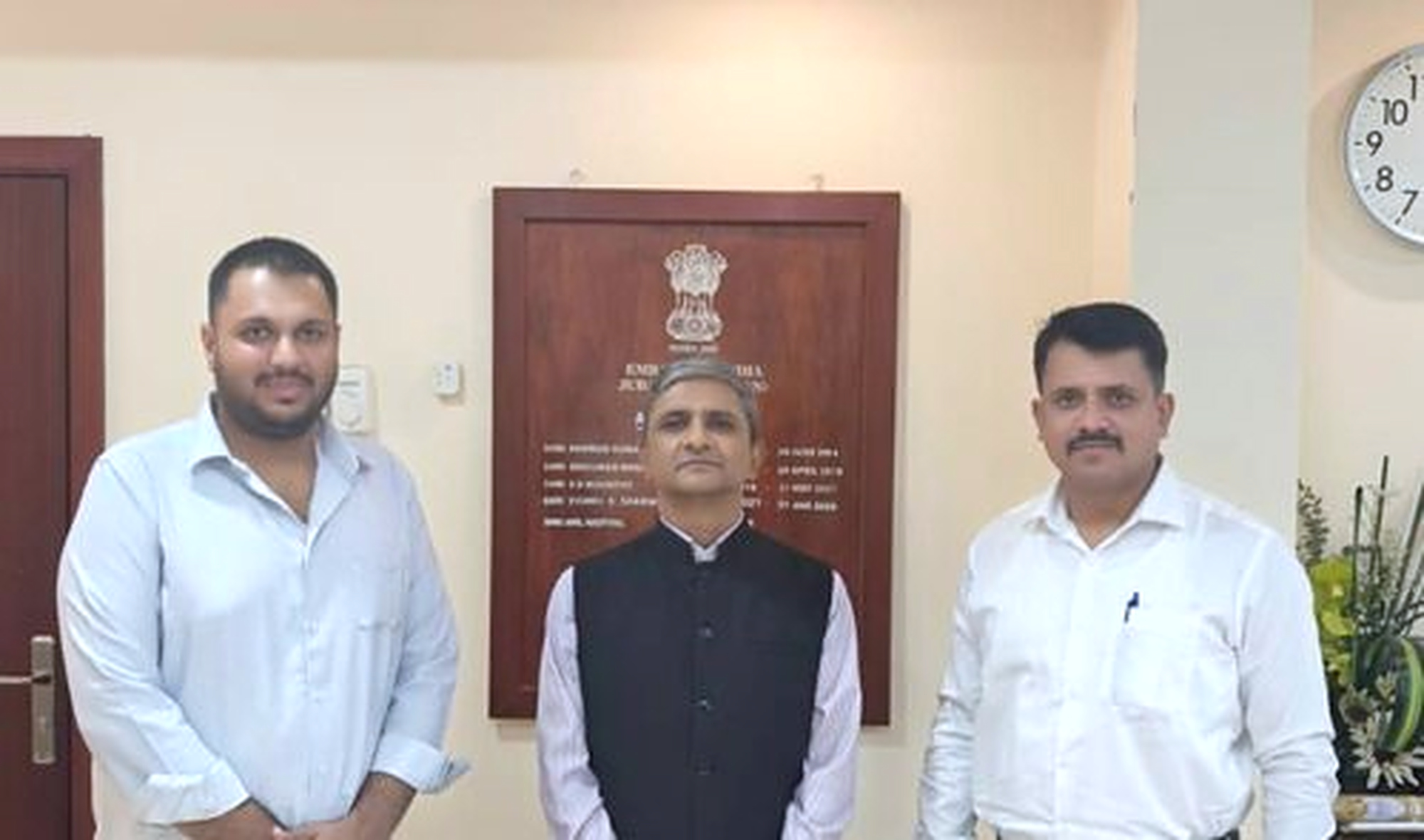
Working with diplomatic missions in Juba, South Sudan.
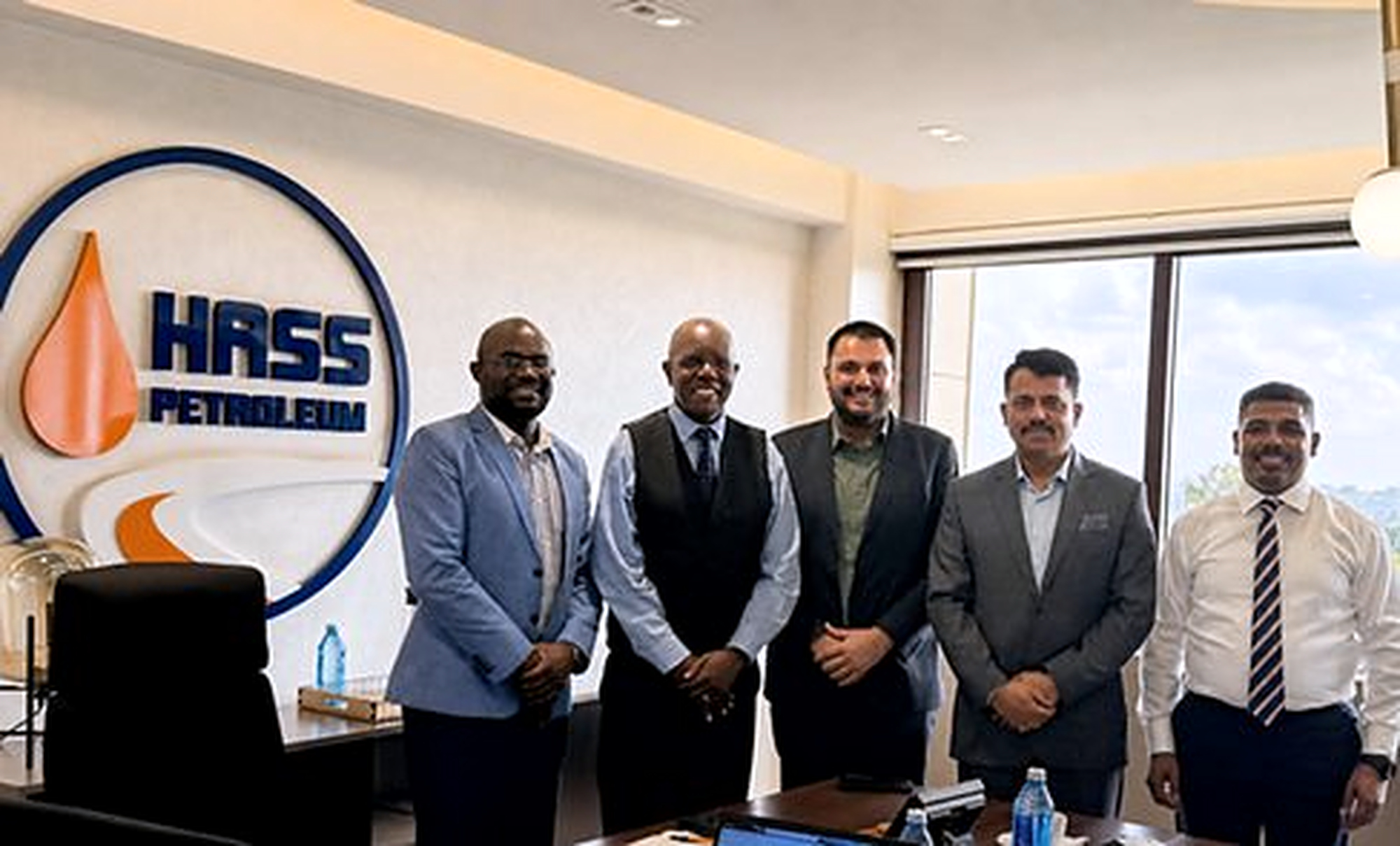
Working with energy operators in Nairobi, Kenya.
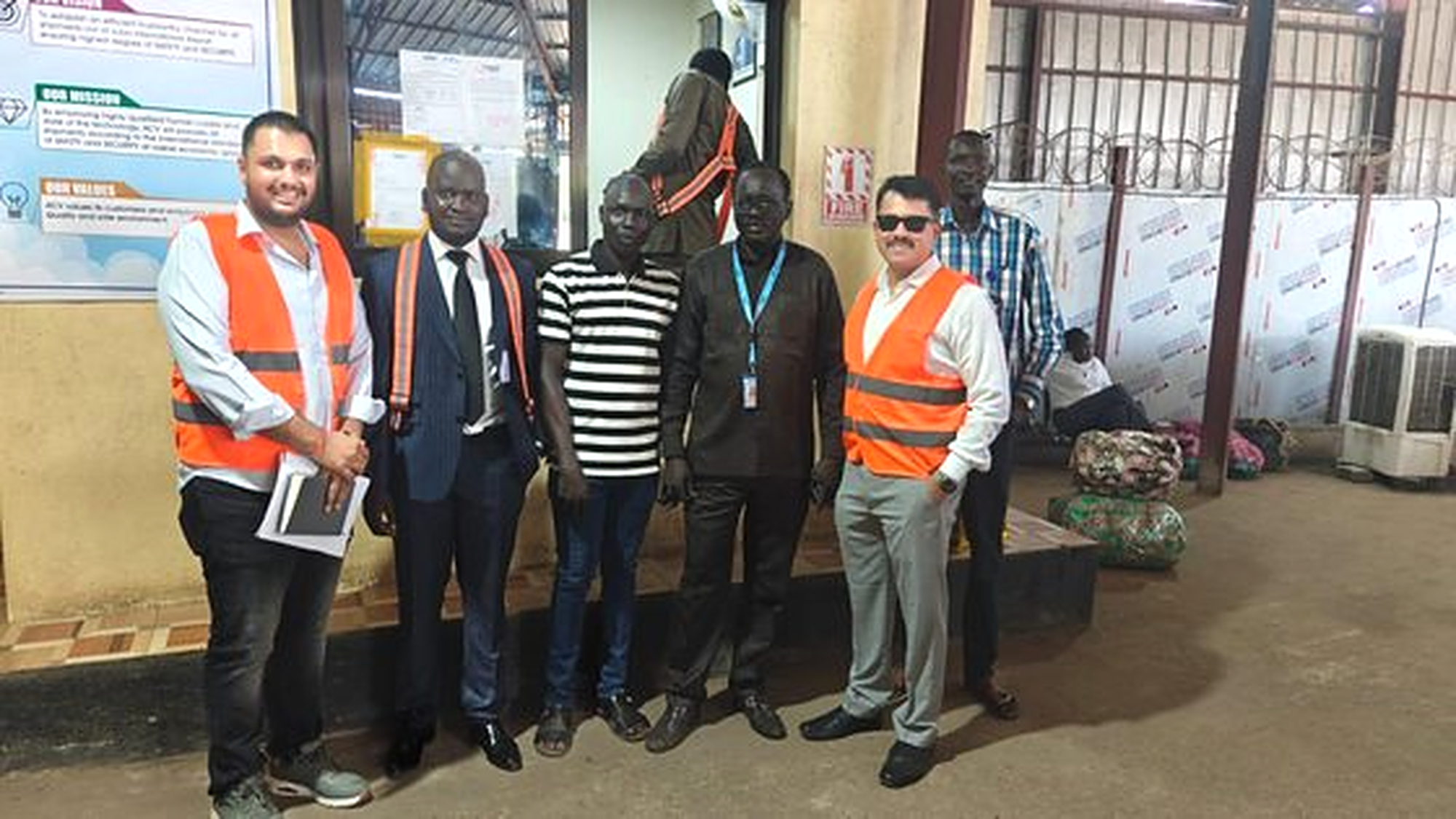
Working with civil aviation partners in Juba, South Sudan.
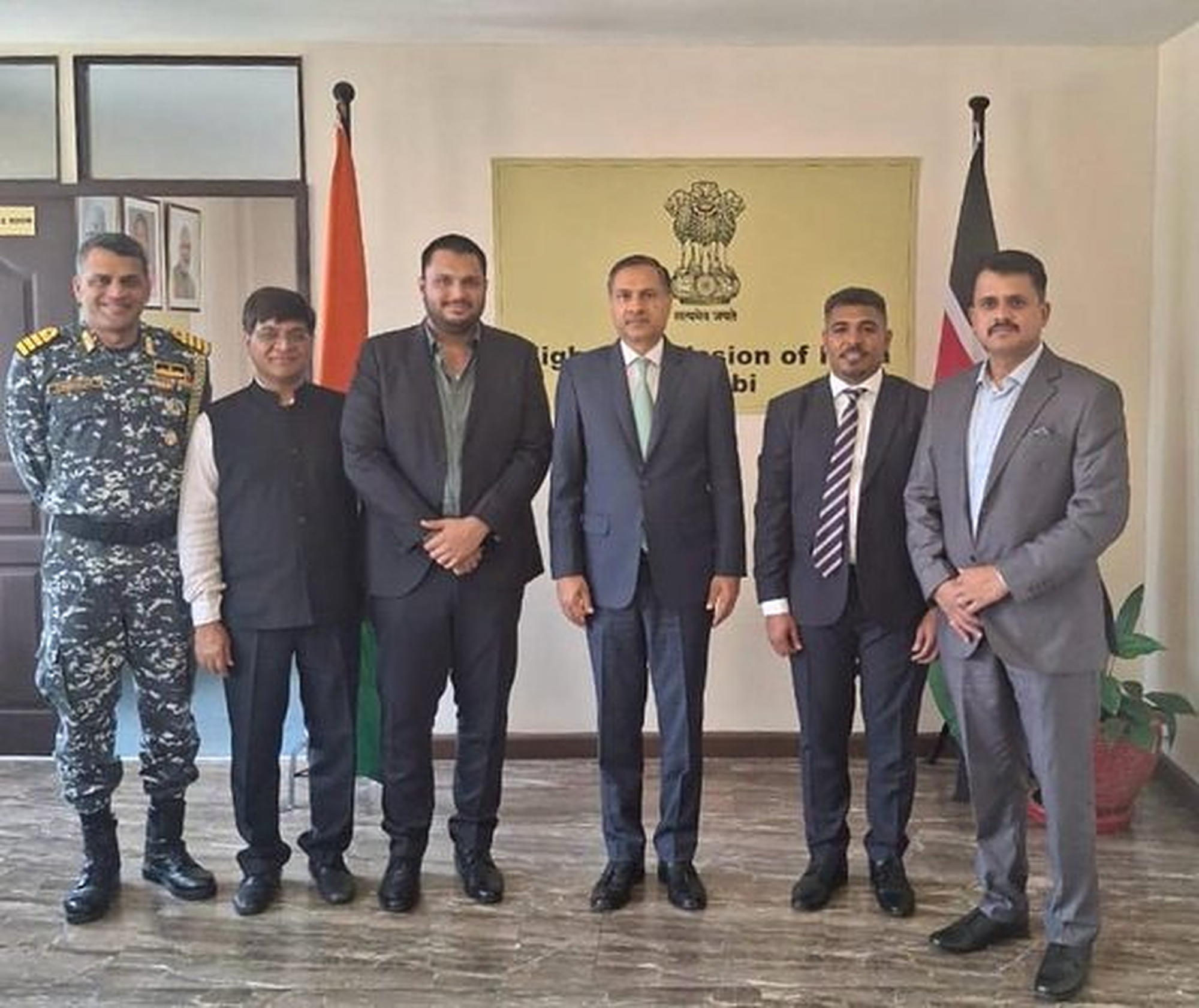
Working with government and infrastructure partners in Nairobi, Kenya.
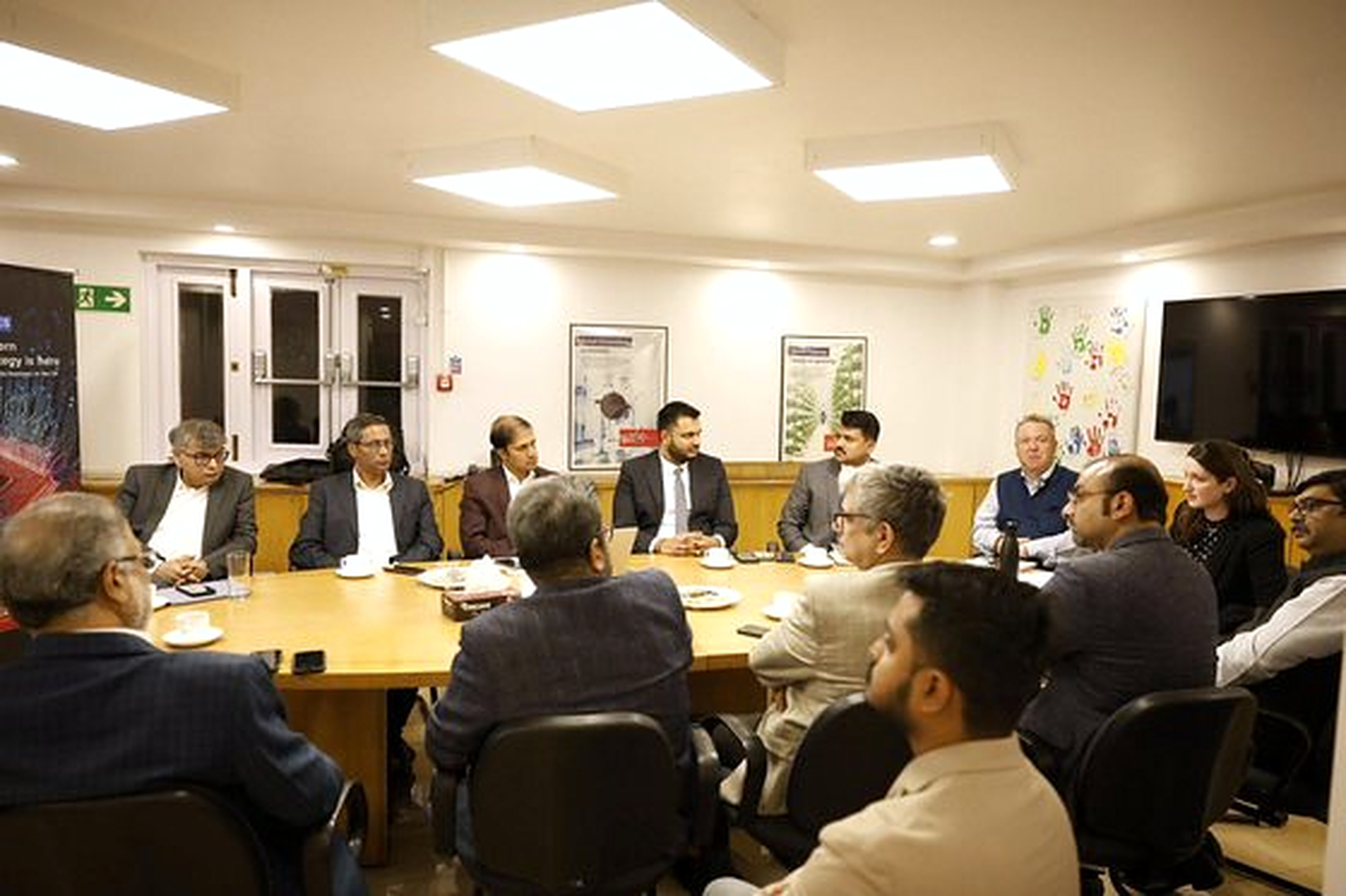
Working with trade and government partners in Kolkata, India.
Sectors
Where we work.
The capabilities are consistent. How they are applied depends on the operating environment.





Global coverage
Where we can work.
YAVA delivers from five regional bases and can reach much of the world. The map shows where we are actively delivering, where we can deploy, and where work is case-by-case or restricted.
Risk Intelligence
From declared risk to observed risk.
Most assets look secure on paper. The Risk Intelligence Platform sends engineers to the asset to check what is really in place across physical security, technology and procedures, scores it out of 100, and sets out what to fix. Where remediation is needed, the same team delivers it.
Explore
More from YAVA.
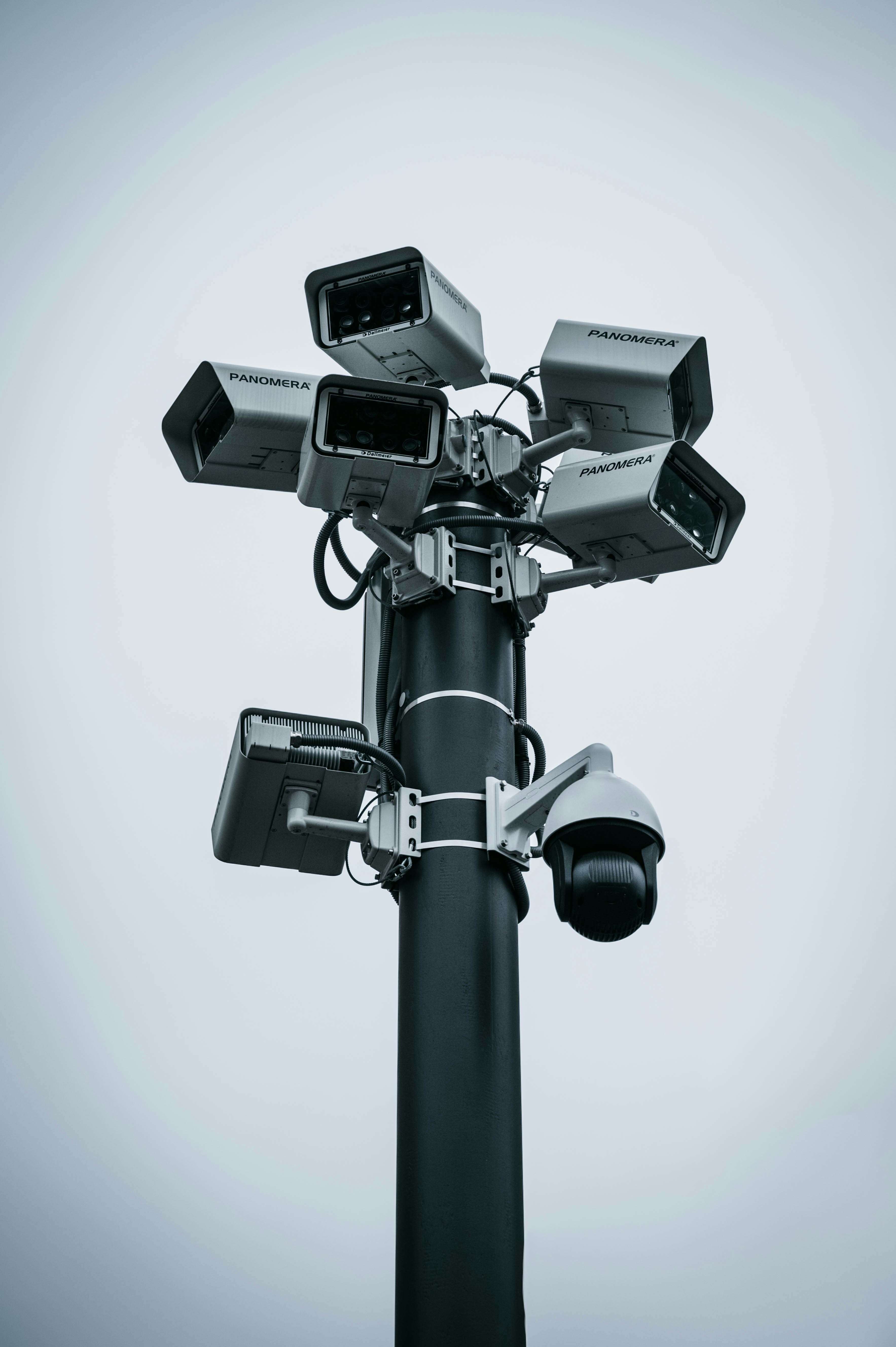
Insights
Engineering-led commentary on insurance, infrastructure, defence and operational risk.
Learn moreTeam
The partners, advisors and engineering leadership behind the work.
Learn more
Careers
A small, growing firm. We advertise only roles that genuinely exist.
Learn more
Contact
Tell us what needs to work and we will tell you whether we fit the problem.
Learn moreHow we deliver
One accountable team, from assessment to daily operation.
The same team assesses, designs, builds, integrates, deploys and operates, so a complex system keeps working once it is live.
Contact
Tell us what needs to work.
Whether you need advice on what to build, a system delivered and deployed, or an asset assessed and put right, a short conversation will tell you whether we fit the problem.