
Every environment is different
No two sites, climates, threats or operating cultures are the same. On the ground we design for the environment in front of us, not an idealised one on a drawing.

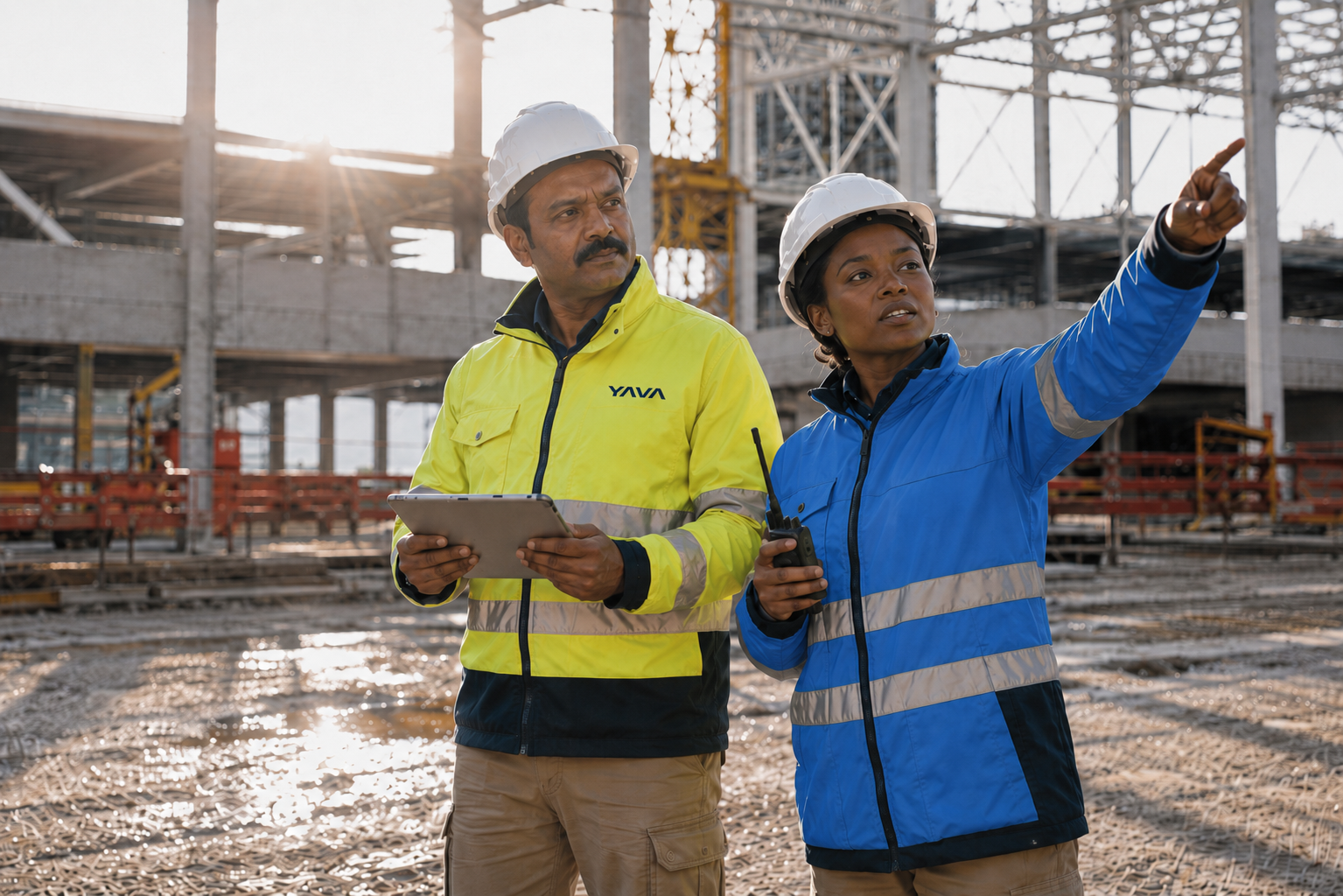
Low-resource, high-risk environments
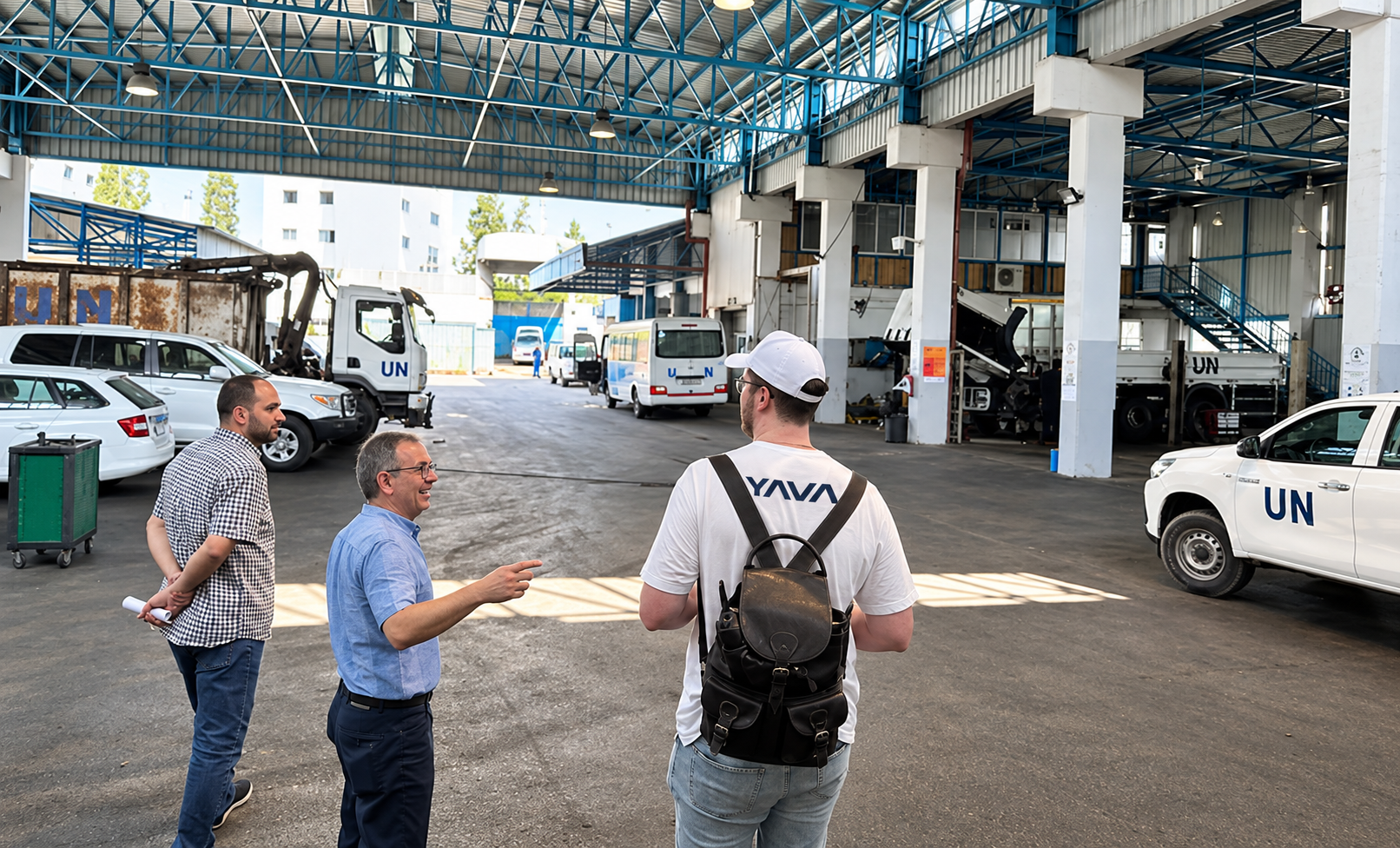
YAVA flies its engineers to the sites most technology firms will not go: remote, off-grid, high-risk and far from support. We work on the ground, at the asset, alongside the people who run it. It is what sets us apart, and it is where we are at our best.
Why we go
Every environment is different, and the things that make a system fail rarely show up on a drawing or a remote session. You cannot assess a perimeter, a control room, a network cabinet or a team's procedures from a desk on another continent. So we go. Our engineers stand in front of the asset, see what is really there, and build and fix it in the conditions it actually has to run in.
No two sites, climates, threats or operating cultures are the same. On the ground we design for the environment in front of us, not an idealised one on a drawing.
Remote reviews miss what matters: what is actually installed, what has been bypassed, and how people really work. We verify it in person, at the asset.
In the places we work, links are intermittent or absent. Systems have to keep working when the connection does not, so we build and test them where they will run.
Technology holds up under pressure only if the people around it do. We work alongside operators and local teams, not around them.
The conditions we work in
We plan for the environment we will actually meet, and deploy a team that is used to it.
How we deploy
We move quickly, work in person, and stay responsible for the system once it is live, wherever it is.
Who we do it for
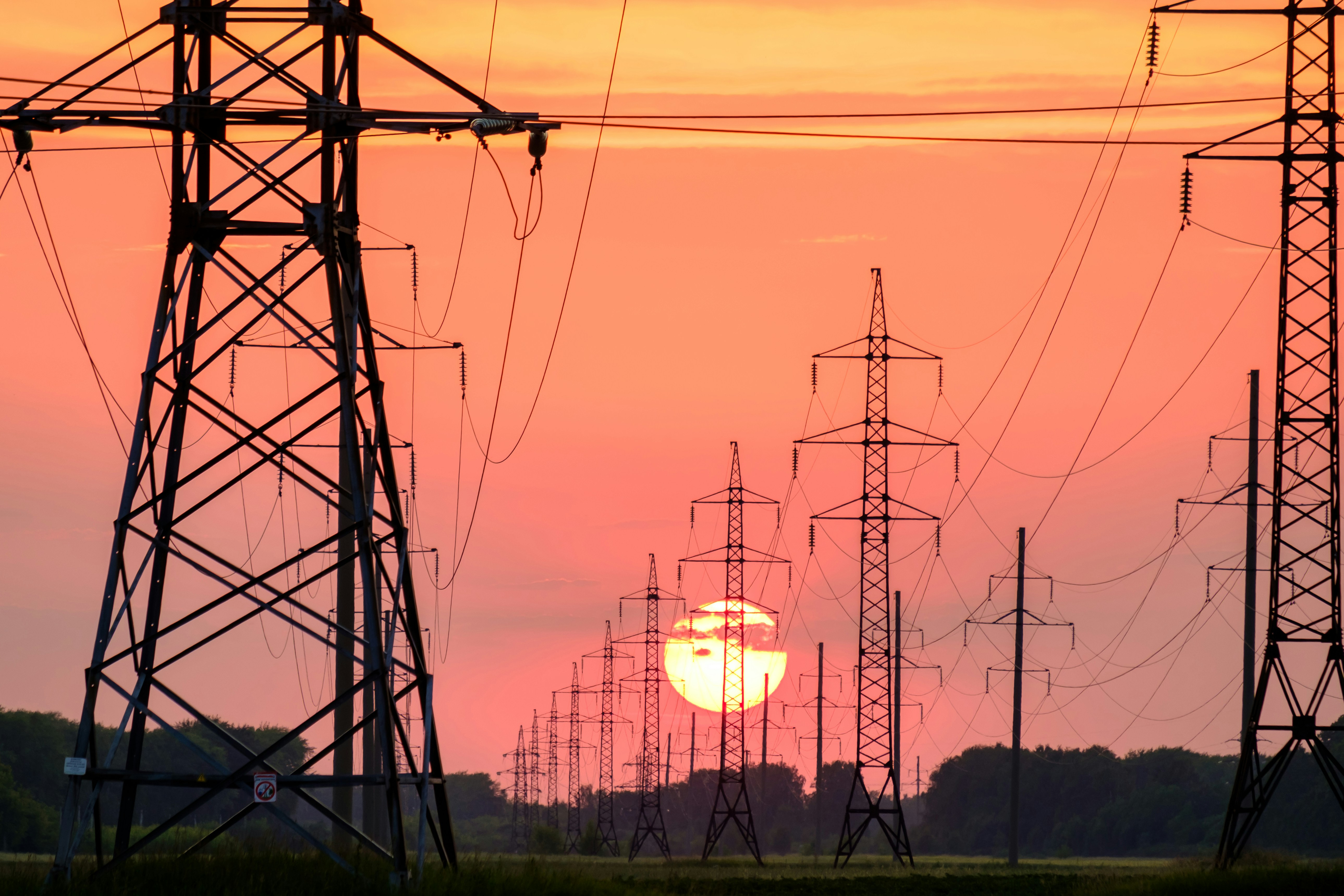
We work for governments, operators, insurers, and humanitarian and international organisations, and for the communities that depend on what we build: airports, ports, energy and industrial sites, hospitals, embassies and public services in some of the most demanding places on earth. When these systems work, people are safer, services keep running, and operations keep moving.
Our field team includes experienced former military personnel, including veterans of the British and Indian Armed Forces, used to operating in difficult and high-risk conditions with limited support. They deploy from our five regional bases, backed by the engineering team at our Technology and Innovation Centre.
On the ground
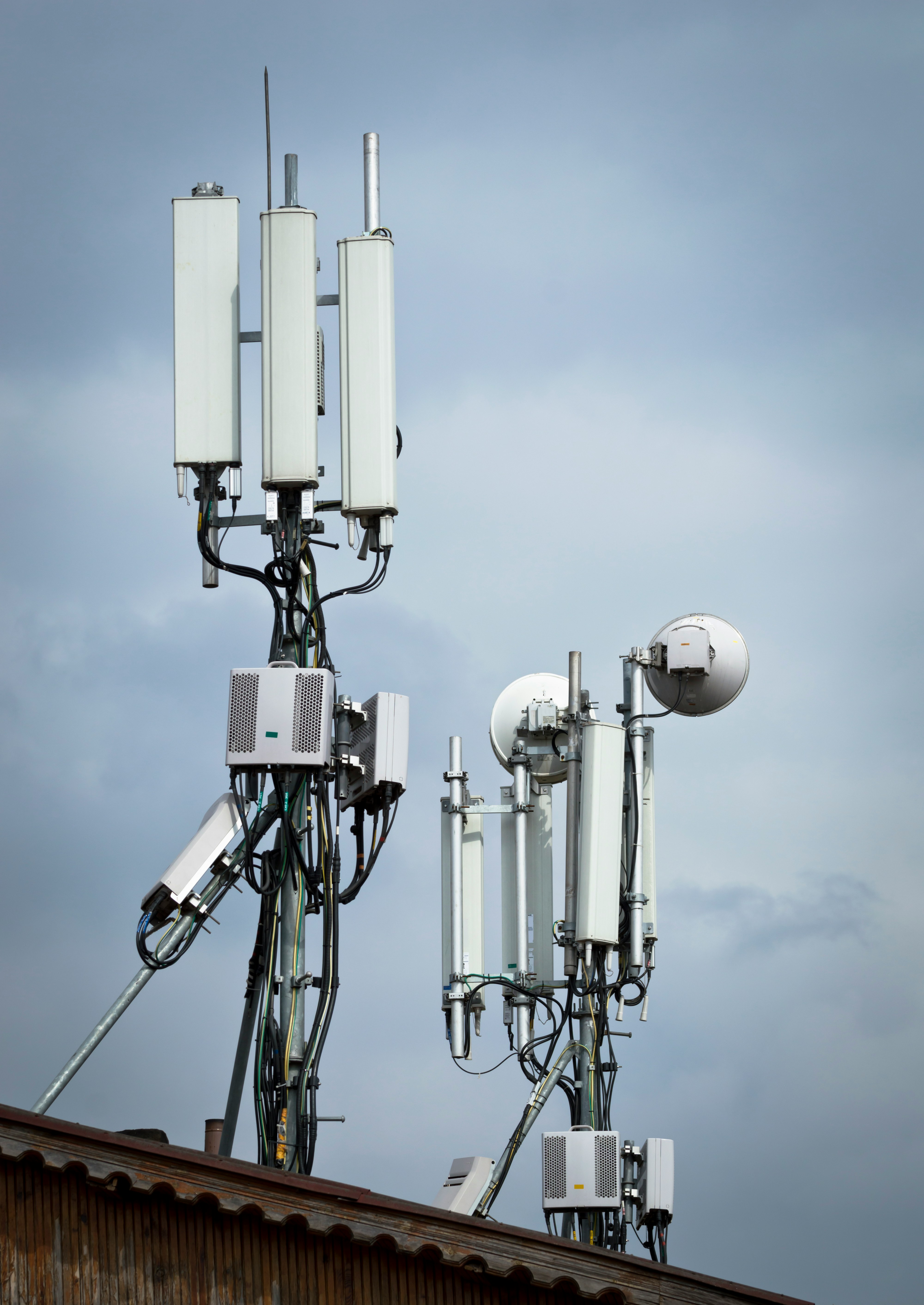
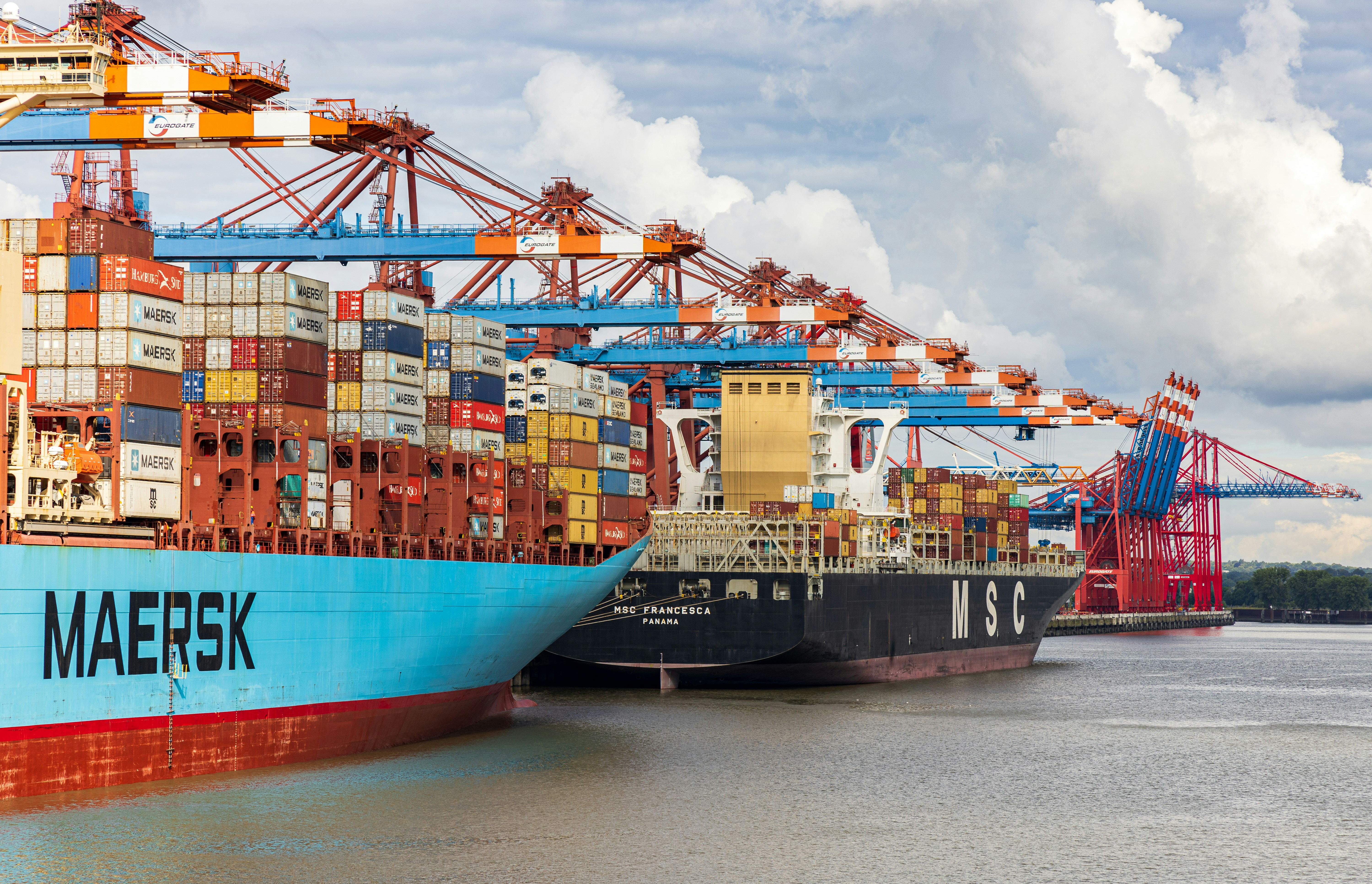
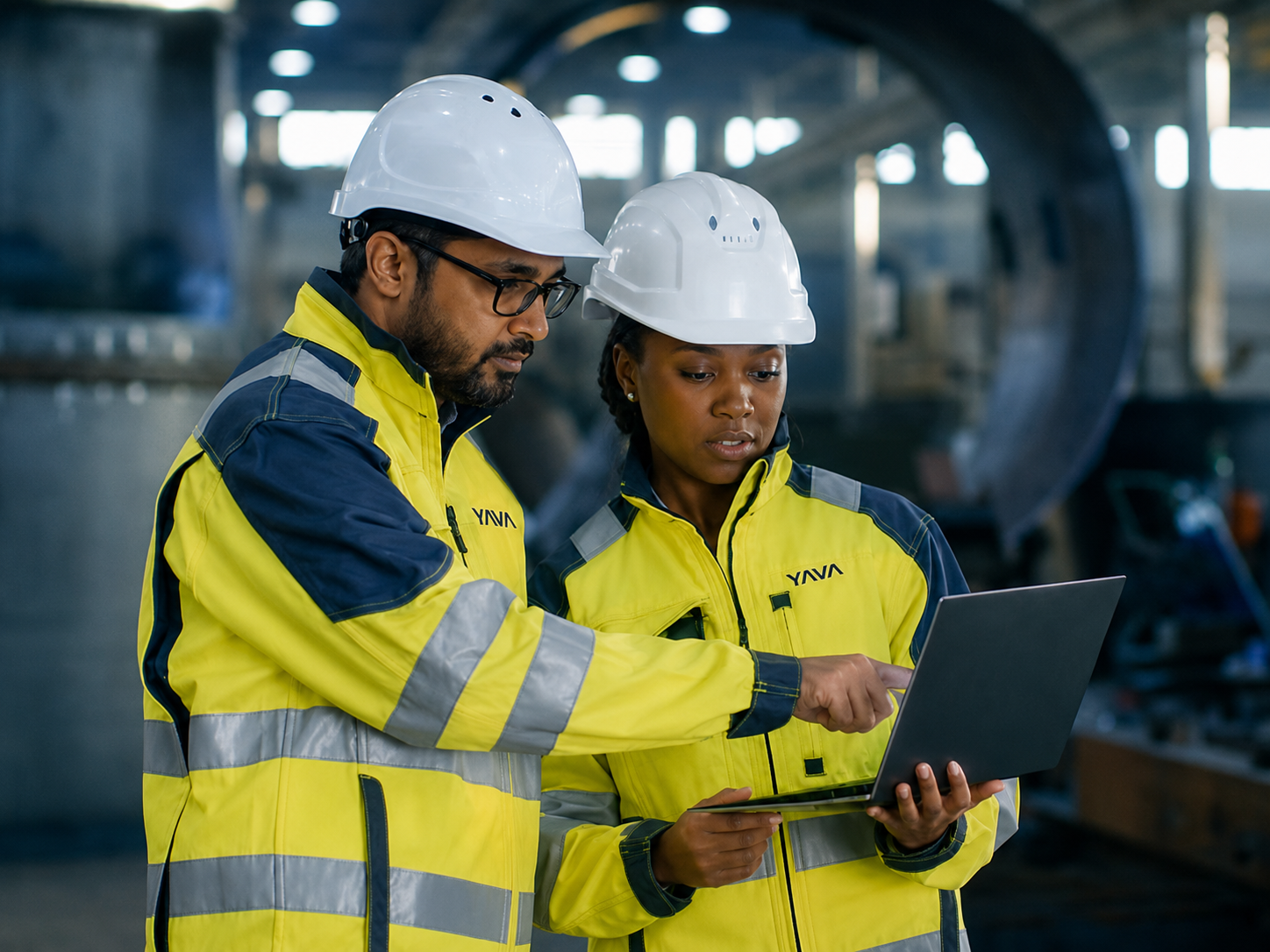
Photography from YAVA engagements and engineering. Captions describe the activity shown.
Contact
Whether you need advice on what to build, a system delivered and deployed, or an asset assessed and put right, a short conversation will tell you whether we fit the problem.