

YAVA Monthly Report | June 2026: Maritime Security, Data Centre Resilience and Operational Response
- Jun 29
- 6 min read
Updated: Jul 24
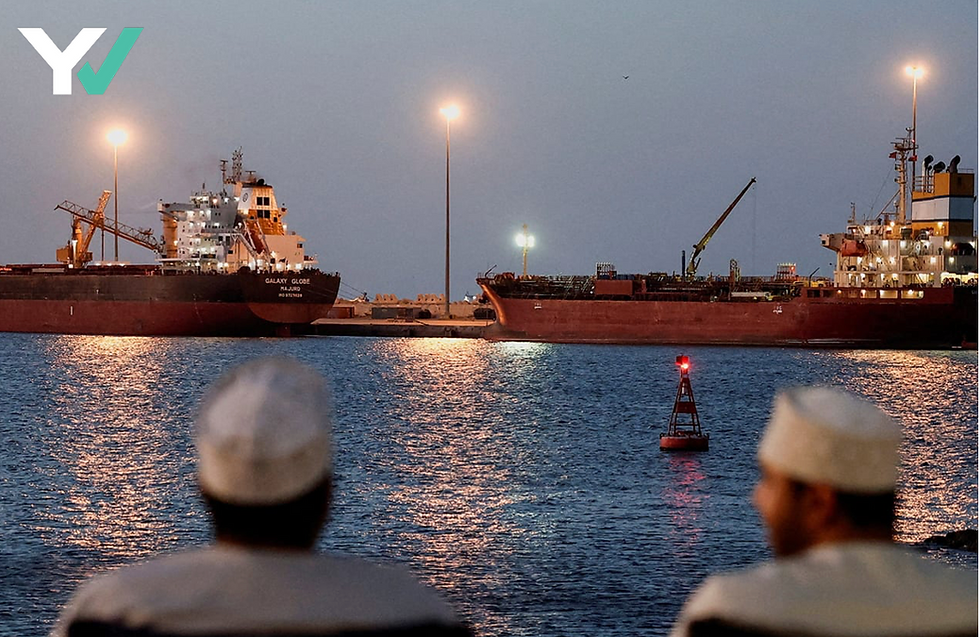
The full June 2026 YAVA Monthly Report is available to download now:
June 2026 reinforced a central reality across complex operating environments: resilience is no longer judged by whether organisations have plans, controls or reports. It is judged by whether people, systems and partners can continue operating when disruption happens.
This month’s report examines the changing maritime security threat picture, the rise of data centres as critical infrastructure, the movement of cyber and drone threats into civilian environments, and why trusted delivery partners are essential for turning intelligence into operational response.
MARITIME SECURITY: THE NEW THREAT PICTURE
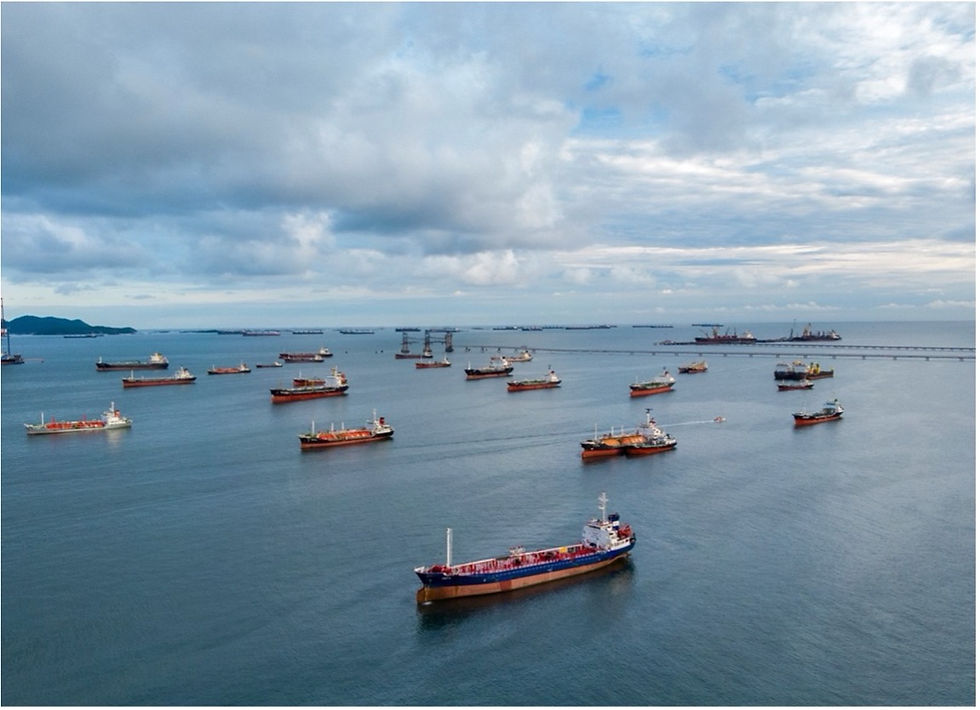
The report opens with YAVA’s recently published article with SF Group, The New Maritime Security Threat Picture Demands More Than Traditional Approaches, featuring SF Group Maritime Analyst Shane Wall.
The article examines how the Red Sea, Strait of Hormuz, Indian Ocean and wider Gulf operating environment are forcing maritime operators to reassess how they understand, monitor and respond to risk.
Traditional approaches to maritime security were built around relatively stable route assumptions, periodic reporting and fixed escalation plans. That model is now under pressure. Vessels, ports and operators are facing a faster-moving threat picture shaped by contested routes, geopolitical escalation, drone activity, piracy risk, insurance pressure, satellite and AIS disruption, and cyber exposure across port and logistics systems.
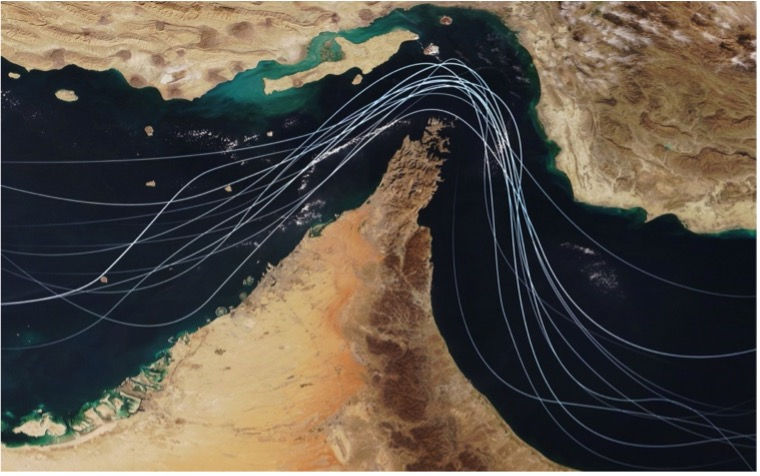
Recent developments underline the point. Reuters reported that more vessels began transiting the Strait of Hormuz again in late June, including Qatar-linked LNG tankers, but flows remained below pre-crisis levels. In the Red Sea, Reuters also reported that Yemen’s Houthis threatened Israeli-linked shipping, showing how quickly route risk can re-escalate.
The report highlights the need to move from static reporting to live operational intelligence. In high-risk maritime environments, intelligence becomes valuable when it changes decisions: adjusting routes, reviewing affiliation risk, updating crew guidance, changing escalation thresholds or coordinating support across ports and local partners.
FROM STATIC REPORTING TO LIVE OPERATIONAL INTELLIGENCE
The YAVA and SF Group partnership is built around a clear operating gap: clients in high-risk environments need intelligence they can act on, and the technical infrastructure to make that intelligence usable across multiple locations, teams and time zones.
SF Group brings operational security expertise, maritime intelligence, risk assessment, emergency support and on-the-ground reach through its SF BREATHE platform. YAVA brings the engineering and systems integration capability needed to make that intelligence scalable, connected and usable in the field.
This matters because the maritime threat picture is increasingly both physical and digital. A vessel may face surface threats, drone activity, piracy risk, insurance constraints, satellite disruption and cyber exposure at the same time. Each domain affects the other.
For maritime operators, offshore companies, port authorities and organisations exposed to the Gulf, East Africa or South Asia, the priority is not more information. It is better operational judgement, delivered in time to matter, through systems that can function where risk is actually unfolding.
The wider chokepoint picture also matters. Chatham House analysis has warned that Hormuz sits within a wider network of maritime chokepoint vulnerabilities, from Taiwan to Panama. The IEA’s June Oil Market Report also highlights the energy-market implications of disruption and the conditions required for gradual normalisation.
INFRASTRUCTURE SECURITY TRENDS AND TECHNOLOGY HIGHLIGHT: WHEN NAVIGATION BECOMES RISK
The June edition also looks at how hybrid threats continue to reshape exposure across critical infrastructure.
Cyber risk, navigation interference, operational technology, and physical infrastructure are no longer separate categories. They increasingly interact across shared systems, sites, vendors and operating environments.
In June, the UK National Cyber Security Centre said more than 200 cyber incidents affecting UK critical national infrastructure and supporting systems had been managed in the year to May 2026, with around 75% believed to be linked to hostile state actors.
ENISA’s Cyber Europe 2026 exercise, held on 10-11 June, also focused on large-scale cyber incidents affecting interconnected transportation systems, including rail and maritime networks.
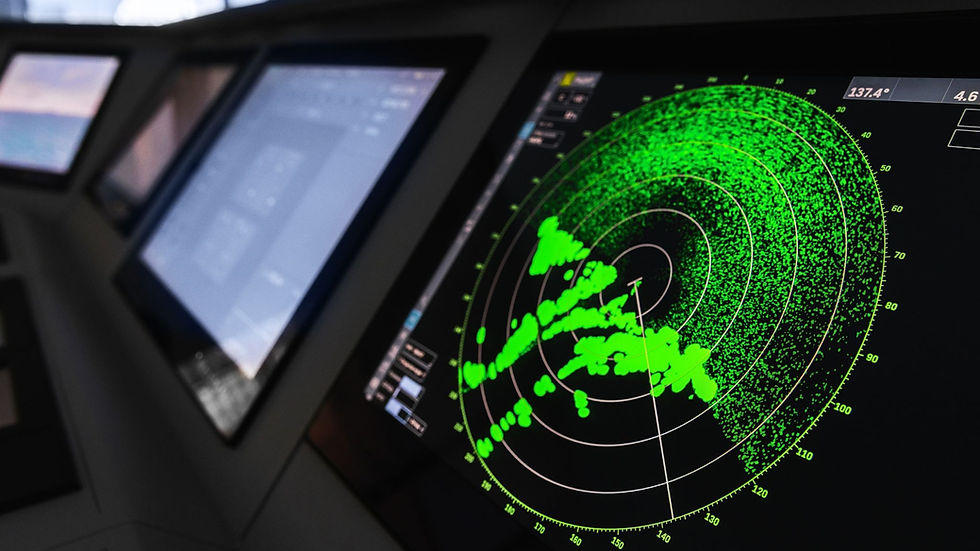
Navigation resilience is moving into the same conversation. GPS/GNSS jamming and spoofing can affect vessels, aircraft, ports, logistics systems and infrastructure operators that rely on accurate positioning, navigation and timing.
Operational technology is another pressure point. A joint US advisory warned that Iranian-affiliated cyber actors are exploiting internet-facing programmable logic controllers, including Rockwell Automation/Allen-Bradley PLCs, across critical infrastructure sectors.
The key message is clear: technology must be integrated into a wider resilience model. Secure communications, navigation resilience, OT visibility, tested escalation routes and maintained infrastructure all need to work together if operators are to maintain continuity under pressure.
DATA CENTRES AND DIGITAL INFRASTRUCTURE RESILIENCE
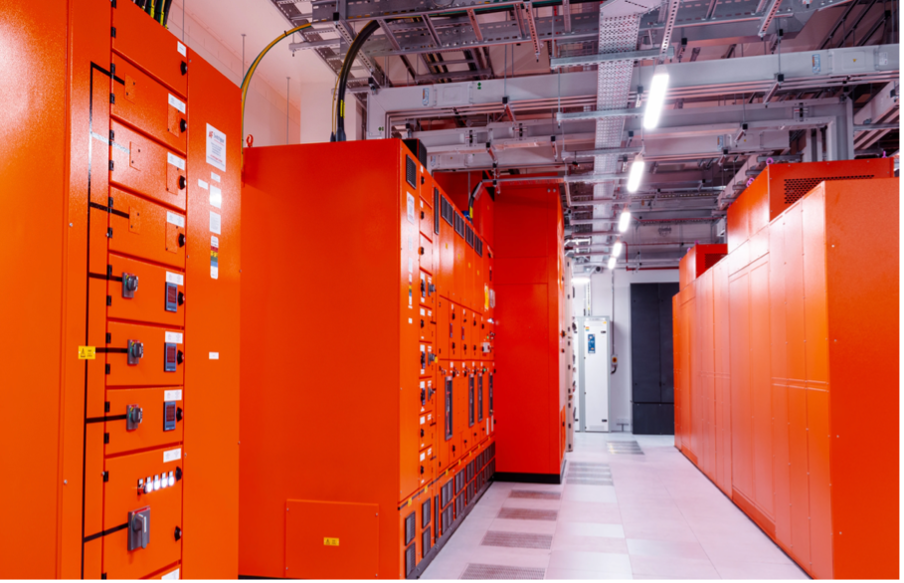
The industry spotlight focuses on data centres and digital infrastructure resilience.
Data centres are no longer just digital assets. They are becoming core infrastructure environments, with direct dependencies across power, cooling, water, land use, physical security, cyber resilience, cloud connectivity and regional grid stability.
As AI demand grows, the pressure on digital infrastructure is becoming more physical. Reuters reported that AI-driven demand could double data centre power and water consumption by 2030, citing UN researchers who warned that the public debate often treats AI as software while the underlying reality is physical infrastructure: data centres, electricity generation, cooling systems, transmission networks, chips, minerals, land and water.
The report also highlights how physical incidents can become digital service incidents. Google Cloud said some customers in India experienced intermittent network disruption after a fire at a third-party data centre triggered an emergency shutdown of networking equipment. The incident showed how fire, power shutdowns and reduced network capacity at a single facility can affect cloud services for businesses and users.
The wider operating environment is also shifting.
A Guardian analysis found that many planned U.S. AI data centres are being built in drought-affected areas, while The Verge reported on Nvidia’s move toward hotter-running liquid-cooled AI data centre designs. Axios has also reported growing public concern around AI data centres, linked to energy demand, water use, land impact and limited local benefit.
For YAVA, the lesson is direct: digital resilience is now physical resilience. Data centre risk cannot be treated as a narrow IT or cloud issue. It depends on power quality, cooling capacity, water availability, cybersecurity, physical protection, emergency response and tested recovery procedures.
GLOBAL DEPLOYMENT IN ACTION

The report also examines how deployment capability is becoming central to resilience.
Whether the issue is a vessel moving through Hormuz, a port assessing cyber exposure, an airport reviewing drone detection, a hotel strengthening communications resilience or a manufacturer investigating supply-chain data leakage, the challenge is similar. Organisations need to understand the current risk picture, decide what action is required and implement changes across real operating environments.
YAVA’s deployment model is focused on closing the gap between risk awareness and practical action. This means connecting site-level assessment, cyber and systems audits, physical security reviews, secure communications, infrastructure remediation, vendor coordination, intelligence platform integration and ongoing support.
In complex markets, resilience cannot sit in separate teams. Security, IT, infrastructure, logistics, insurance and executive decision-making must operate from a shared picture.
LOOKING AHEAD: PARTNERSHIPS & GROWTH OPPORTUNITIES

The report closes with a wider observation: resilience is now being judged by performance under pressure.
For asset owners, the priority is continuity. For insurers, it is evidence. For investors, it is confidence that infrastructure can withstand disruption. For governments, it is the stability of systems that support trade, mobility, security and public trust.
This is creating demand for more coordinated resilience models across ports, logistics and commercial assets; hotels and hospitality groups in complex markets; insurers and risk engineering specialists; cyber, physical security and infrastructure teams; regional partners with local deployment capability; technology providers; and maritime intelligence partners.
For YAVA, the direction of travel is clear. Growth will come from combining engineering capability, risk intelligence, partner expertise and implementation support into practical delivery models.
YAVA remains focused on that point of convergence: connecting intelligence, engineering and delivery in the environments where risk is real, fast-moving and commercially material.
The full June 2026 YAVA Monthly Report is available to download now:


Comments